
UCLA Report on Student Homelessness
A newly released report from the UCLA Center for the Transformation of Schools puts new numbers behind a challenge we see every day.
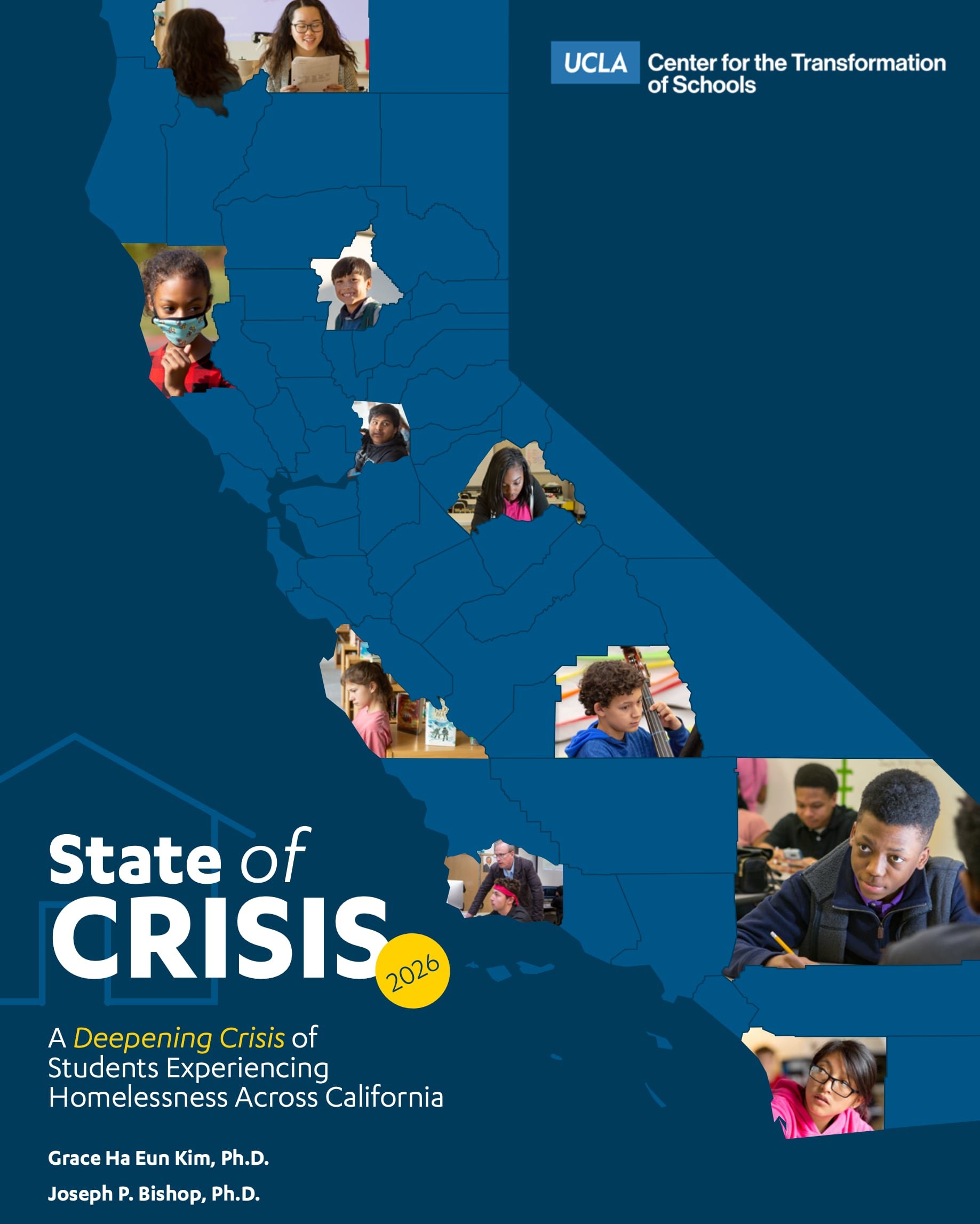
During the 2024–25 school year, 298,254 California students were identified as experiencing homelessness.
Here in Orange County, the need is also significant. The Orange County Department of Education reported 31,207 students in its 2024–25 McKinney-Vento count, with more than 90% living doubled- or tripled-up with other households.
That last number matters because student homelessness often doesn’t look the way many of us imagine it.
It can look like a teenager staying on a friend’s couch. Moving between relatives. Sharing temporary or overcrowded housing. Living in a motel. Or simply not knowing how long the current living arrangement will last.
For older students, the challenges can become even more complex.
Across California, 7,108 high school students were identified as experiencing homelessness while also being unaccompanied by a parent or legal guardian during the 2024–25 school year. Of those, 3,208 were 12th graders.
Imagine navigating senior year—graduation requirements, work, transportation, financial aid, college or career decisions, and the transition into adulthood—without the consistent adult support most young people rely on.
And even these numbers may not tell the whole story.
Formal data reflect students who have been identified through educational systems. Some young people experiencing housing instability may remain unidentified, particularly when circumstances are temporary, changing, difficult to disclose, or do not fit neatly into what people expect homelessness to look like.
At Robyne’s Nest, we see the young person behind the circumstances.
Some of the students we walk alongside have been formally identified through McKinney-Vento. Others are navigating housing instability or other significant barriers without the consistent support system they need.
Our approach recognizes that helping a young person build stability rarely comes down to solving one problem. It can mean food and basic necessities. Transportation. Education and employment support. Wellness. Life skills. Advocacy. And, importantly, a trusted adult who continues to show up.
Student homelessness may be hidden in plain sight. The young people experiencing it shouldn’t be.
Access the report by going to State of Crisis: A Deepening Crisis of Students Experiencing Homelessness Across California
